What is a Tortoiseshell Cat?
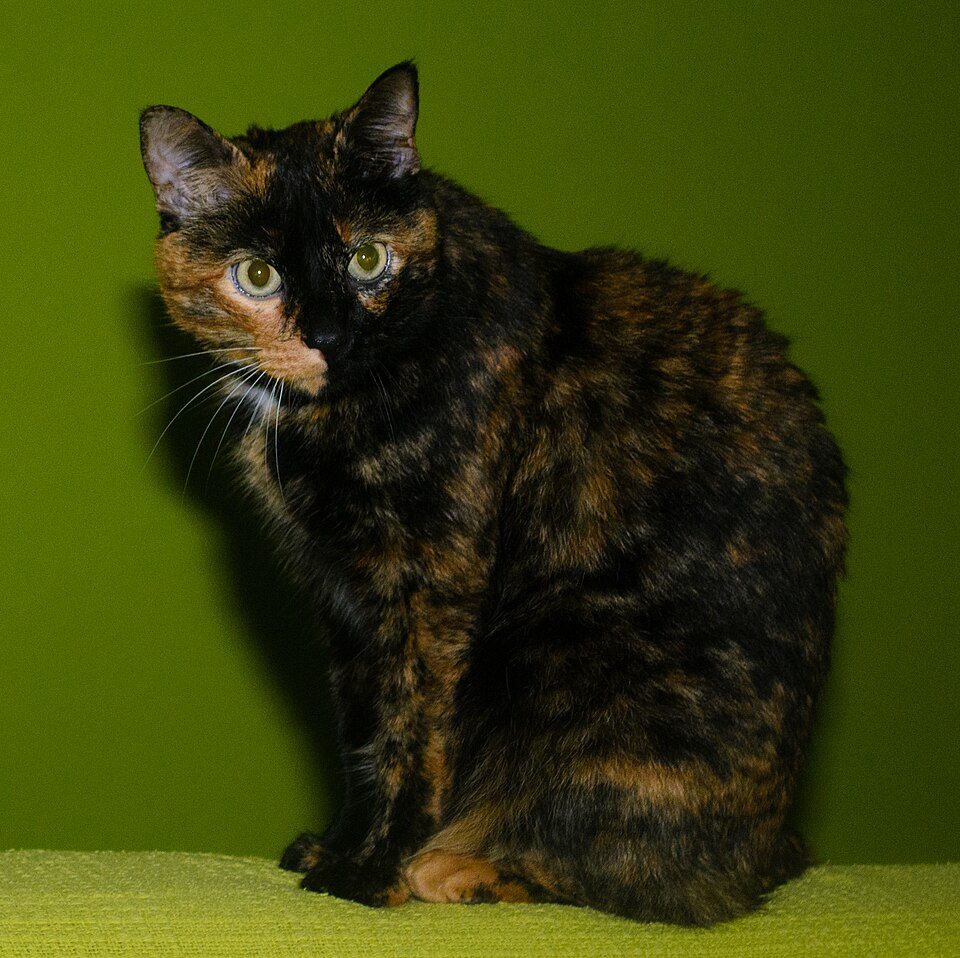
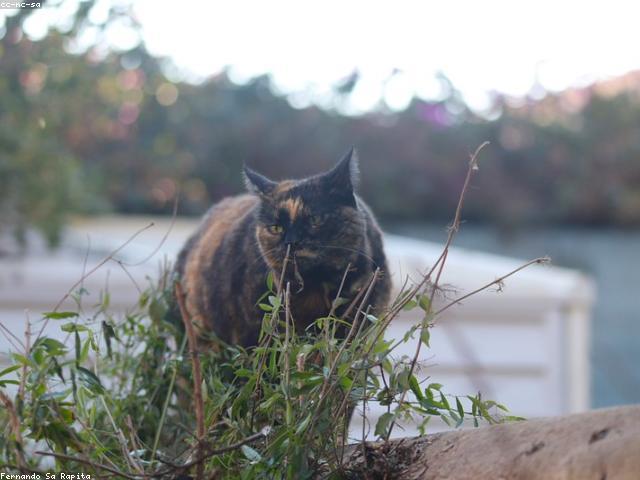
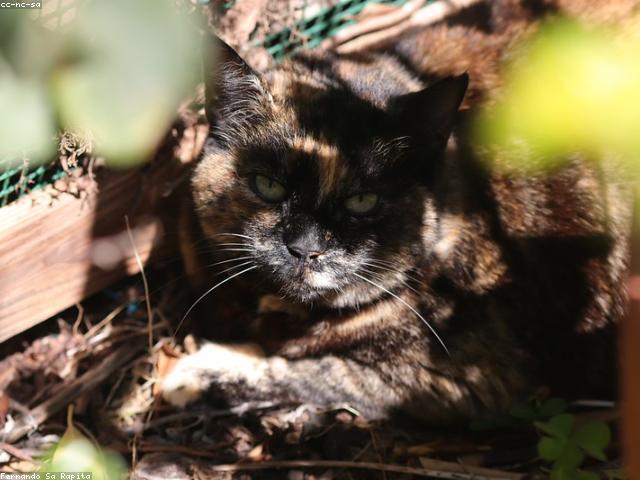
A tortoiseshell cat (affectionately called a "tortie") is a domestic cat whose coat combines two colours — typically black (or dark brown) and orange (or red) — woven together in a random, mosaic-like pattern. No two torties look alike; each coat is a one-of-a-kind work of art painted by genetics.
The term tortoiseshell refers purely to the colour pattern, not a breed. You can find torties among Persians, Maine Coons, British Shorthairs, Domestic Shorthairs, and dozens of other breeds. When white patches are added to the mix, the cat is called a calico (or "tricolour" / "mi-ke" in Japanese).
The Genetics Behind the Colours
Cat coat colour is controlled by several genes. The key player for tortoiseshell colouring is the orange (O) gene, located on the X chromosome.
The Orange Gene & X-Linkage
The O gene has two alleles:
- O (dominant) — produces orange/red pigment (phaeomelanin)
- o (recessive) — produces black/dark pigment (eumelanin)
Because the gene sits on the X chromosome, its expression depends entirely on how many X chromosomes an individual carries.
| Sex | Chromosomes | Possible genotypes | Coat result |
|---|---|---|---|
| Female ♀ | XX | XOXO | Fully orange |
| Female ♀ | XX | XoXo | Black / dark |
| Female ♀ | XX | XOXo | 🎨 Tortoiseshell! |
| Male ♂ | XY | XOY | Fully orange |
| Male ♂ | XY | XoY | Black / dark |
| Male ♂ (rare!) | XXY | XOXoY | Tortoiseshell — but sterile |
X-Inactivation (Lyon Effect)
Females carry two X chromosomes, but cells only ever use one at a time. Early in embryonic development, each cell randomly switches off one of its two X chromosomes — a process called X-inactivation (or the Lyon Effect, after geneticist Mary Lyon).
In a female with XOXo, some cells silence the X carrying O (so they produce dark pigment) while neighbouring cells silence the other X (so they produce orange pigment). As the embryo grows, each cell clones itself, creating patches — the exact mosaic you see on the cat's coat.
Why Are Tricolour Cats Almost Always Female?
The short answer: you need two different X chromosomes to be a tortoiseshell.
Males (XY) only have one X chromosome. That single X carries either the O allele (→ orange cat) or the o allele (→ black cat). There is no second X chromosome to carry the opposite allele, so a standard male simply cannot produce both colours at once.
The Rare Male Exception
Roughly 1 in 3,000 tortoiseshell cats is male. This occurs via a chromosomal abnormality: the cat is born XXY (Klinefelter syndrome in cats). With two X chromosomes, the male can carry both O and o alleles and therefore display both colours — but the extra X chromosome causes sterility in virtually all cases.
"Finding a fertile male tortoiseshell is so rare it is considered genetically impossible under normal circumstances. Confirmed cases number only in the dozens worldwide."
Summary: The Logic in Three Steps
- The orange/black colour gene lives on the X chromosome.
- To show both colours, a cat needs two different versions of that gene (one O, one o).
- Only females (XX) normally carry two X chromosomes — so only females can be torties.
Gallery
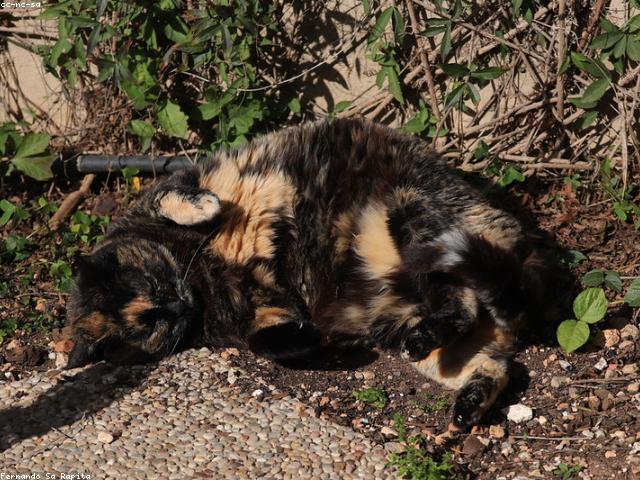
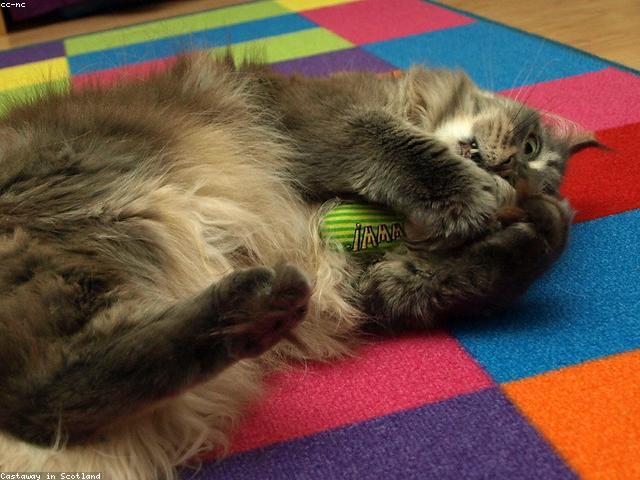
Myths & Folklore
🍀 Lucky Money Cats (Japan)
In Japan, the mi-ke (三毛, "three-fur") calico cat is considered the luckiest of all. The famous Maneki-neko (beckoning cat) figurine is most often depicted as a calico. Fishermen historically kept tortoiseshell cats aboard boats to ward off storms and evil spirits.
🐾 "Tortitude"
Tortoiseshell owners worldwide swear their cats have a unique personality: fiercely independent, vocal, and intensely loyal to one person. Scientists have explored whether coat colour genes linked to behaviour could explain this — though officially "tortitude" remains a charming folk belief rather than proven science.
🏴 Scottish Folklore
Celtic legend holds that a tortoiseshell cat entering your home brings good luck. In the British Isles, a male tortoiseshell was historically considered extraordinarily magical precisely because of its rarity.
Quick Facts
| Topic | Detail |
|---|---|
| Colour basis | Orange (O) gene on the X chromosome |
| Why female | Need two X chromosomes to carry both O and o alleles |
| Mechanism | Random X-inactivation (Lyon Effect) creates the mosaic patches |
| Male torties | Exist (XXY karyotype) but are sterile; ~1 in 3,000 |
| Calico vs tortoiseshell | Calico adds white (piebald gene); tortoiseshell is black + orange only |
| Torbie | Tortoiseshell + tabby striping combined |
| Breeds | Any breed can be tortoiseshell — it's just colour, not structure |
| Personality (folk) | "Tortitude" — feisty, independent, deeply loyal |